
Bee, Wasp, and Hornet Control
BEE, WASP, AND HORNET CONTROL SERVICES
Bees, wasps, and hornets can concern homeowners and businesses when nests develop near entrances, walkways, outdoor living areas, or occupied structures. These stinging insects may build nests beneath roof overhangs, around decks, inside wall openings, or in trees and landscaping. Identifying the insect, locating the nest, and understanding the surrounding conditions are key to choosing an appropriate control method.
Complete Pest Control Services provides pest management solutions for residential and commercial properties. Our licensed technicians inspect areas with stinging insect activity, identify potential nesting locations, and recommend control options based on the insect involved and the property's conditions. Whether you are dealing with an active wasp nest, suspected hornet activity, or bees entering a structural opening, our team can evaluate the situation and explain the next steps.
Bee Control and Nest Inspections
Bees are important pollinators, but nesting activity can become a concern when colonies establish themselves in or around homes and commercial buildings. Depending on the species, bees may nest in wall cavities, exterior openings, wooden structures, or landscaping areas.
Not every bee sighting requires pest control treatment. However, repeated bee activity around the same opening, visible insects entering a structure, or a concentration of bees near frequently used outdoor spaces may indicate a nesting concern that should be evaluated.
Complete Pest Control Services helps property owners assess bee activity and identify potential nesting locations. Our technicians consider the insect's behavior, the location of activity, and potential exposure to people and pets when recommending an appropriate response.
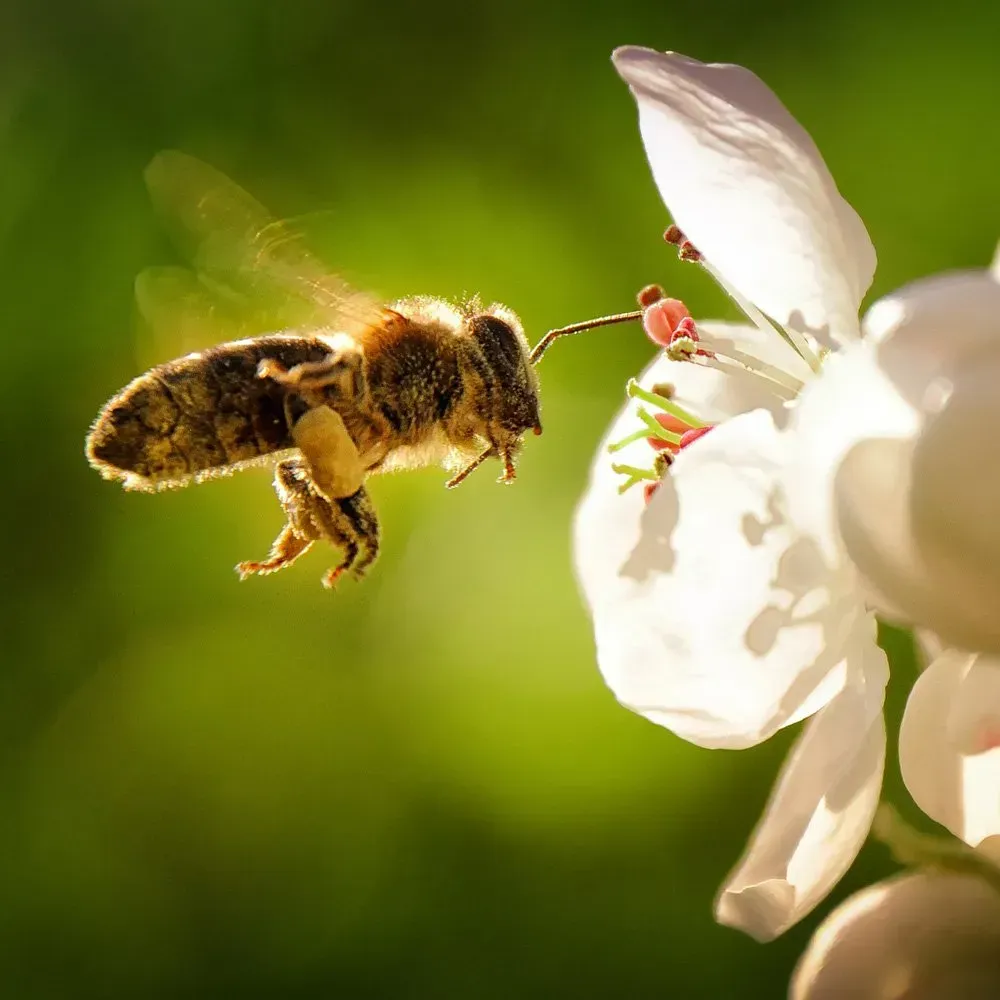
Our bee control assessment process may include:
- Inspecting exterior walls, rooflines, decks, and other areas where bees have been observed
- Identifying visible or suspected nesting locations and structural openings
- Evaluating recurring bee activity near entrances, walkways, and outdoor gathering spaces
- Determining whether additional pest management measures or specialized assistance may be appropriate
When should you seek professional help for bees? If bees repeatedly enter a wall opening, gather near a doorway, or establish a colony in a location that may be disturbed, an inspection can help identify the insect and determine the appropriate action.
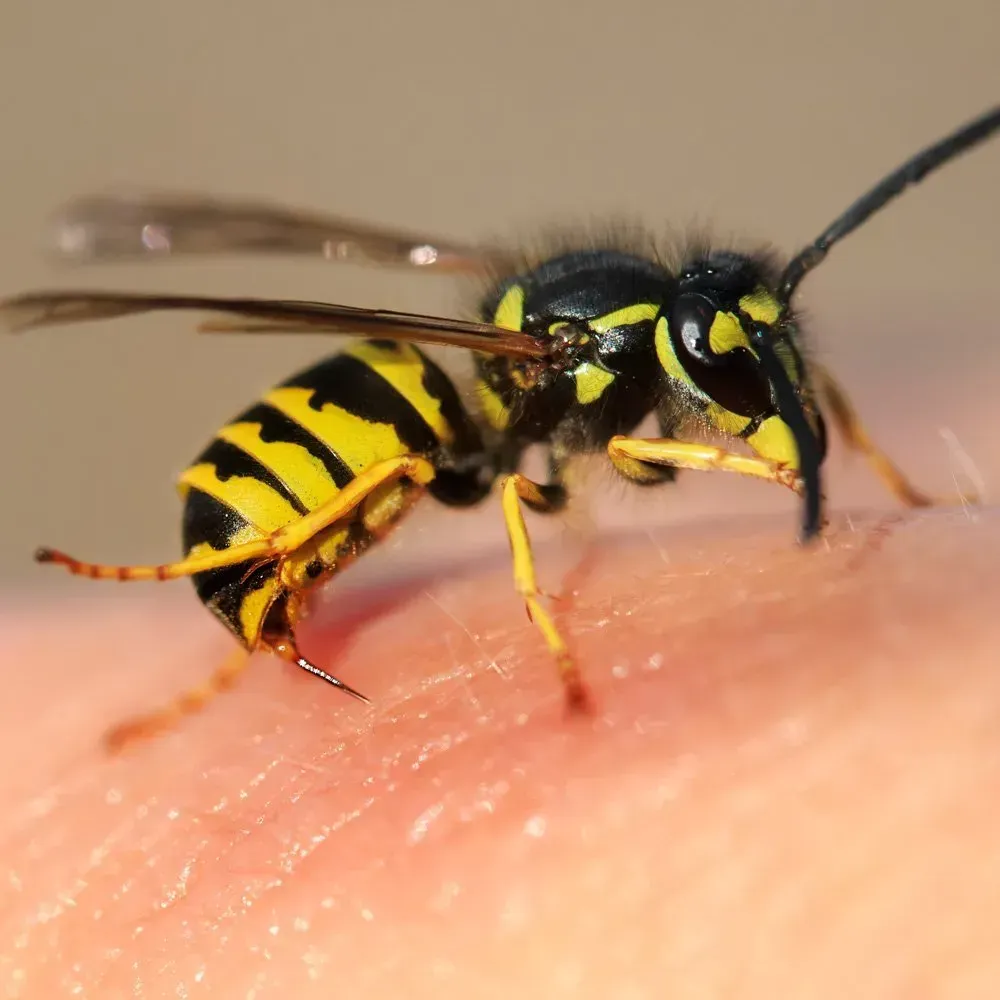
Wasp Nest Control and Treatment
Wasps commonly nest around structures that provide protected locations. Depending on the species, nests may be found beneath eaves, inside soffits, around porch ceilings, under decks, in sheds, or within openings in exterior walls. Some wasps, including certain yellowjacket species, may also nest underground.
Wasp activity can become a problem when nests are near doors, patios, outdoor seating areas, and other frequently used spaces. Wasps may defend their nests when disturbed, so attempting to knock down or treat a nest without proper precautions can be hazardous.
Complete Pest Control Services evaluates wasp activity to locate nesting areas and recommend appropriate treatment. Our technicians consider the nest's location, accessibility, and surrounding conditions when developing a pest control approach.
Our wasp control services include:
- Inspecting common nesting locations around residential and commercial structures
- Identifying visible nests, suspected concealed nests, and areas of repeated wasp activity
- Evaluating nest locations near entrances, outdoor living spaces, and occupied areas
- Recommending targeted treatment options based on the inspection findings
- Identifying potential nesting areas and property conditions that may contribute to recurring activity
How can you tell if wasps are nesting on your property? Repeated wasp movement around the same roofline, wall opening, deck, or ground-level entrance may indicate an active nest. A professional property inspection can help locate the source of activity, including nests that are not immediately visible.
Hornet Nest Inspection and Control
Hornets are social wasps that may build nests in trees, shrubs, elevated exterior areas, or protected openings around buildings. Nest appearance and location vary by species. Some hornet nests are visible, while others may be concealed in structural spaces.
Hornet activity can be concerning when nests develop near entrances, outdoor work areas, parking spaces, or places where people regularly gather. Like other social wasps, hornets can respond defensively when their nests are disturbed.
Complete Pest Control Services helps homeowners and businesses address suspected hornet infestations through property inspections and pest management recommendations. Our technicians assess the activity, determine where nesting may be occurring, and evaluate the surrounding conditions before recommending a treatment approach.
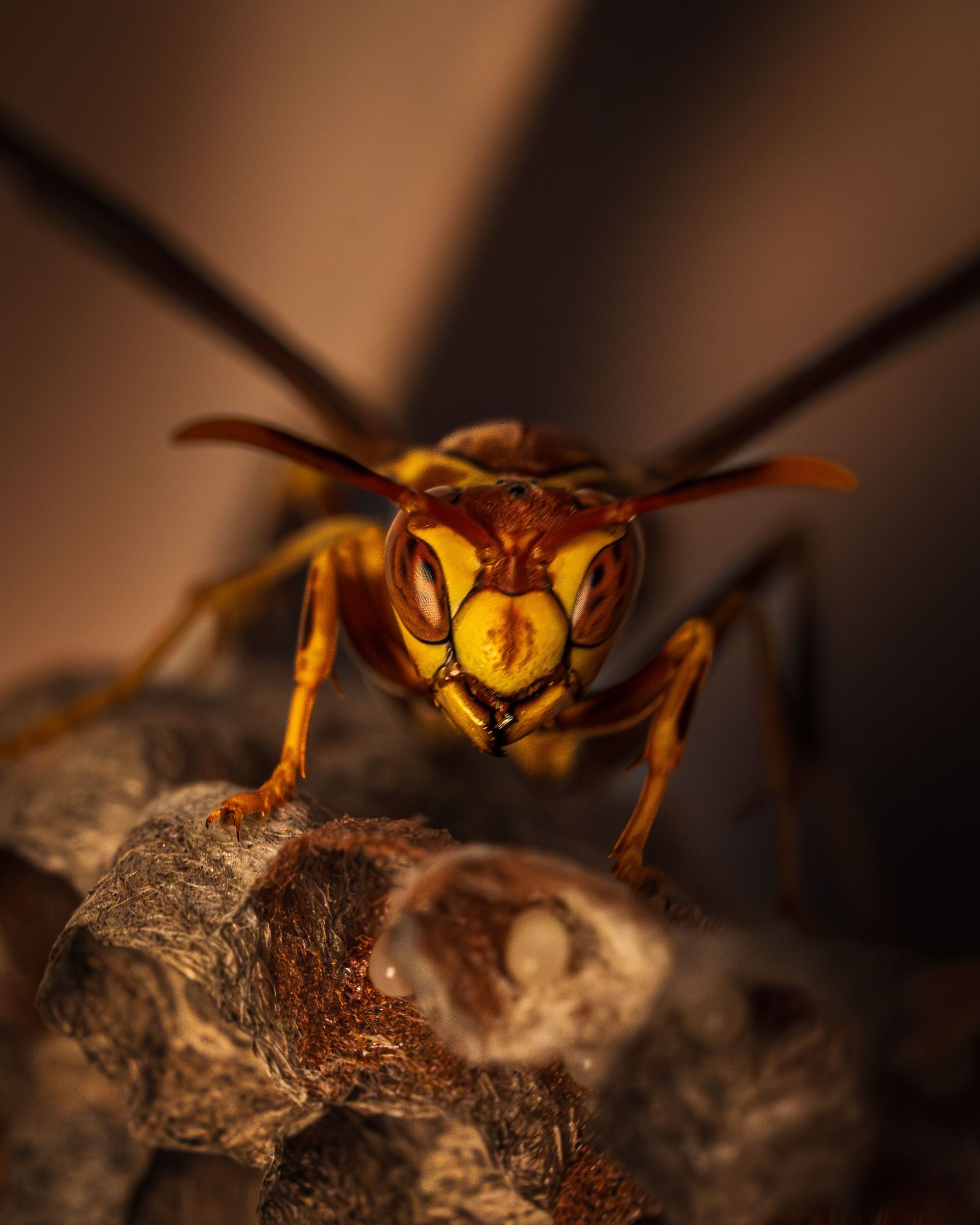
Our hornet control process includes:
- Inspecting trees, exterior structures, rooflines, and other suspected nesting locations
- Identifying visible nests and areas where hornets repeatedly enter or exit
- Evaluating nest accessibility and proximity to occupied spaces
- Recommending appropriate treatment methods based on nest location and inspection findings
- Discussing conditions that may contribute to future nesting activity
Should you remove a hornet nest yourself? Disturbing an active hornet nest may cause insects to respond defensively, increasing the likelihood of stings. Professionals should evaluate nests located above ground, near occupied areas, or within structural openings before you attempt removal or treatment.
Preventing Bee, Wasp, and Hornet Nesting Around Your Property
While you can't prevent every stinging insect from entering an outdoor space, certain property maintenance practices may reduce nesting opportunities.
Bees, wasps, and hornets may nest in protected openings, structural gaps, and sheltered exterior spaces. Some wasps are also attracted to accessible food and sugary liquids around outdoor gathering areas.
Property owners can help reduce conditions that may encourage nesting by:
- Checking rooflines, eaves, decks, sheds, and exterior structures for developing nests
- Repairing damaged screens and sealing appropriate structural gaps when active insects are not using them
- Keeping outdoor trash containers closed and cleaning up food or drink spills
- Monitoring areas where stinging insects have previously established nests
- Scheduling an inspection when repeated activity suggests a nest may be present
Preventive maintenance can reduce accessible nesting opportunities, but it does not guarantee bees, wasps, or hornets will not return. If stinging insects repeatedly appear in the same area, identifying the species and source of activity can help determine whether you need further pest control measures.
Frequently Asked Questions About Bee, Wasp, and Hornet Control
How Do I Know If I Have a Wasp or Hornet Nest on My Property?
Repeated wasp or hornet activity around the same roofline, wall opening, tree, or ground-level area may indicate an active nest. You may also notice insects regularly entering and exiting a specific location. A professional pest inspection can help identify the insect and locate the nesting area.
Is It Safe to Remove a Hornet or Wasp Nest Yourself?
Removing an active wasp or hornet nest can increase the risk of stings, especially if the insects become defensive. Professionals should evaluate nests near entrances, elevated areas, or structural openings before you attempt treatment or removal.
Can Bees, Wasps, and Hornets Nest Inside Walls?
Yes. Certain bees, wasps, and hornets may establish nests inside wall cavities, soffits, and other protected structural openings. Repeated insect movement through a small exterior gap may indicate nesting activity inside. Identifying the species and nesting location helps determine an appropriate response.
Will Bees, Wasps, or Hornets Return After Treatment?
New nests may develop in the same general area if nesting conditions remain suitable. Addressing accessible structural openings, monitoring previous nesting locations, and maintaining outdoor areas may help reduce future activity, although no preventive approach can guarantee that stinging insects will not return.
Schedule Professional Bee, Wasp, and Hornet Control Services
Active bee, wasp, and hornet nests can interfere with patios, entrances, walkways, and other outdoor areas. When insects nest in or around a structure, identifying the species and locating the nest are key steps in choosing an appropriate response.
Complete Pest Control Services helps residential and commercial property owners assess stinging insect activity and determine suitable pest management options. Our licensed technicians evaluate the property, share their findings, and recommend the next steps based on the insect involved and where the activity is occurring.
Dealing with bees, wasps, or hornets around your home or business? Call Complete Pest Control Services at (412) 318-4547 or schedule an appointment online to discuss your pest concerns.